Your Complete Guide to Canvas Printing: Expert Tips for Amazing Results
Transforming images into stunning wall art is possible with canvas printing, but the best results demand careful consideration. Selecting appropriate images and materials is crucial, as is mastering the printing process itself. Common pitfalls can compromise quality, yet with the right techniques, one can significantly improve their prints. Grasping these subtleties can enhance any artwork. What targeted approaches can make a significant impact in the end result?
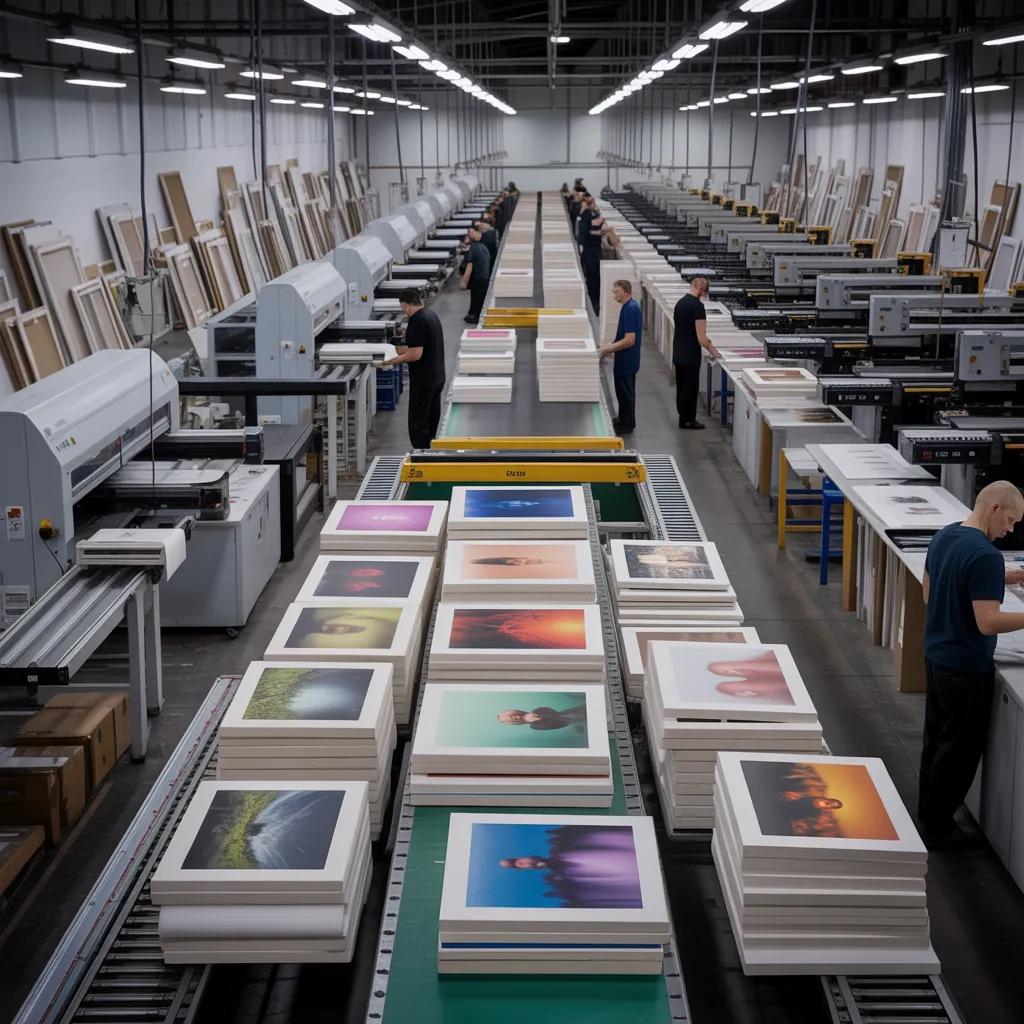
Which Images Work Best When Printed on Canvas?
When considering images for canvas printing, high-resolution photographs generally yield the best results. These images guarantee sharp details and vibrant colors, crucial for creating visually appealing art pieces. Images taken with professional cameras or quality mobile devices often meet the necessary resolution criteria. Abstract art, landscapes, and portraits are popular choices, as they transfer effectively to canvas.
In addition to resolution, composition plays an essential role. Images with strong focal points or compelling textures can improve the overall impact of the print. Color contrast is another important factor; bold colors can make a canvas print stand out, while softer tones may create a more subdued effect.
Ultimately, selecting images that resonate emotionally or tell a story can substantially elevate the canvas printing experience, transforming a simple photograph into a compelling work of art. Careful consideration of these elements results in stunning effects that capture the viewer's attention.
How Canvas Materials Affect Print Quality
Canvas material greatly influences the total quality of printed images. The decision between cotton and polyester canvas can considerably affect texture, durability, and color reproduction. Cotton canvas is commonly chosen for its natural feel and outstanding color absorption, which can produce richer, more vibrant prints. In contrast, polyester canvas offers a smooth finish and superior resistance to fading, making it perfect for prints exposed to light.
The canvas's weight and weave also serve crucial functions. Heavier canvas materials offer superior support and durability, while tighter weaves improve detail clarity and precision. Moreover, pre-primed canvases designed to accept ink optimally, provide more vibrant color reproduction and sustained detail sharpness.
At the end of the day, selecting the correct canvas material is vital for attaining stunning results in canvas printing, as it directly affects the final appearance and longevity of the artwork.
Recommendations for Excelling at the Canvas Printing Technique
Grasping canvas materials sets the foundation for excelling at the canvas printing process. Picking the right canvas type, whether it's a blend of poly-cotton or 100% cotton, substantially influences the final outcome. Proper color calibration is essential; ensuring that the monitor and printer settings align can prevent discrepancies. In addition, utilizing high-resolution images is essential; images should be at least 150 DPI for ideal sharpness and clarity.
Before printing, conducting a test print can help identify any issues with color or detail. This step allows for adjustments without compromising the final piece. Furthermore, ensuring the printer's ink is suitable for canvas is essential, as some inks may bleed or fade over time.
Lastly, after the printing process is finished, providing appropriate drying time prior to handling will assist in maintaining the integrity of the artwork. These recommendations combined contribute to a rewarding canvas printing endeavor, yielding stunning results that showcase the original artwork exceptionally.
Ways to Elevate Your Canvas Prints Using Framing and Display Methods
Enhancing canvas prints through careful framing and display can elevate their visual impact and incorporate them seamlessly into any space. Selecting the right frame is crucial; it should complement the artwork without overpowering it. Minimalist, modern frames often work well for contemporary pieces, while ornate frames can complement traditional artworks.
The arrangement and spacing are important considerations when displaying canvas prints. Grouping several pieces together forms a dynamic focal point, while one statement piece can capture attention in a minimalist environment. Height is another factor; artworks should be hung at eye level for ideal viewing.
Lighting plays a significant role as well; natural light or strategically placed spotlights can accentuate texture details and color tones. Furthermore, think about the complementary décor—harmonizing or contrasting components can unify the canvas print with the complete design of the room, establishing a unified setting that presents the artwork optimally.
What Mistakes Should You Avoid in Canvas Printing?
Selecting the right framing and display techniques can significantly enhance canvas prints, but mistakes in the printing process can lead to poor results. One common mistake is using poor-quality images, which can cause pixelation when enlarged. Additionally, neglecting color calibration can cause prints to appear dull or inaccurate.
Another mistake is overlooking the value of suitable canvas selection; utilizing the wrong material can affect texture and durability. In addition, failing to account for stretching and mounting can cause warping and sagging issues over time.
Improper handling in the printing process, such as allowing moisture exposure, can also undermine the quality of the final product. Lastly, not providing sufficient drying time can lead to smudged prints. By steering clear of these pitfalls, individuals can secure their canvas prints achieve the stunning results they desire.
Frequently Asked Questions
How Long Can Canvas Prints Be Expected to Last?
Canvas prints typically last between 50 and 100 years when given proper care. Elements like light exposure, humidity, and the quality of materials used can considerably influence their longevity and aesthetic quality over time.
Can a Home Printer Be Used for Canvas Printing?
Yes, a home printer can print on canvas, provided it is compatible with the material. You can find canvas sheets specially created for use with inkjet printers, allowing individuals to create personalized artwork or photographs at home.
Which Types of Inks Are Most Suitable for Canvas Printing?
Pigment-based inks are best for canvas printing, as they deliver outstanding color stability and longevity. Dye-based inks, while offering vibrant colors, tend to fade faster. Opting for high-quality inks secures lasting, stunning results on canvas.
Is It Possible to Repair a Damaged Canvas Print?
It is possible to repair a damaged canvas print. Repair options include re-stretching, patching tears, and applying protective coatings. Expert restoration services can further improve durability and visual appeal, securing the artwork's visual excellence throughout its lifespan.
How Do I Properly Clean My Canvas Prints?
For cleaning canvas prints, carefully dust using a soft, dry cloth or apply a slightly damp cloth for spots. Avoid harsh chemicals and excessive moisture to preserve the print's comprehensive article integrity and color vibrancy.